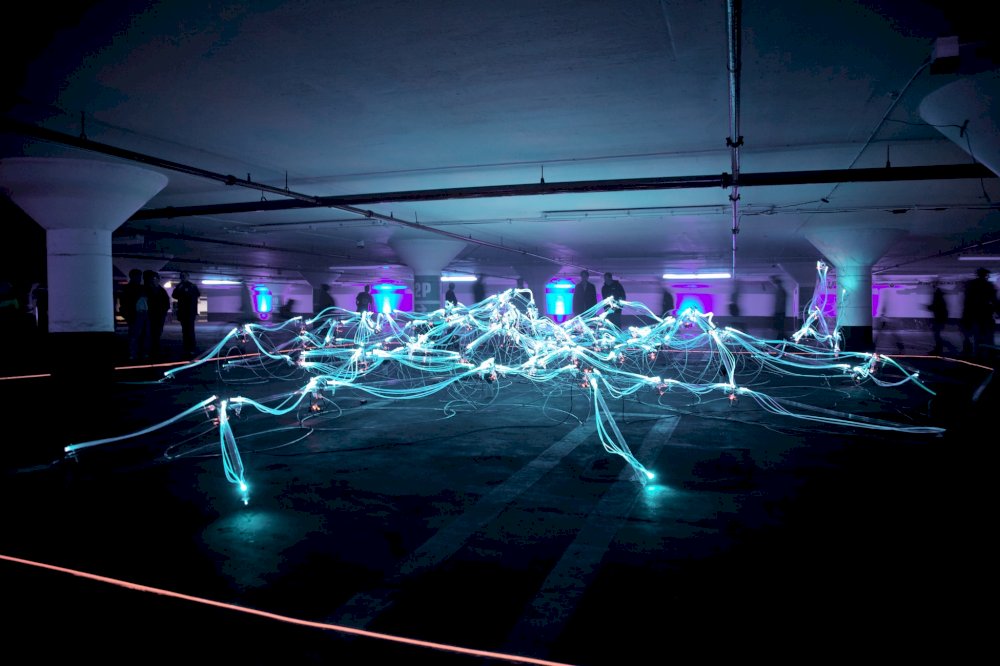
Digital impact on energy efficiency
Our lives rely more and more on to digital technologies. Digitalization, or the growing interaction and convergence between the digital and physical worlds, is a now inevitable process, driven by the increase in the quantity of data available, from advances in our capabilities of analysis and greater connectivity. Digital technologies are everywhere, influencing the way we live, work, travel and entertain ourselves, helping to improve safety, productivity, accessibility and accessibility. and sustainability of different sectors.
Digital impact therefore represents a global resource capable of transforming not only markets, businesses and employment, but also the energy systems of the entire planet. In the coming decades, in fact, digital technologies are destined to make energy systems around the world not only more interconnected, intelligent and efficient, but also more reliable and sustainable. The impact of extraordinary digital advances and their rapid deployment on the energy landscape therefore raises the fundamental question of whether we are on the verge of a new digital era in energy.
How digitalisation can improve energy efficiency?
Digitalization trends are truly surprising. Data, in fact, is growing at an exponential rate and investments in digital technologies by companies are increasing. energy have increased significantly in recent years.
Digitalization represents a transformative potential to improve energy efficiency, help create a highly interconnected system and reduce energy consumption.
Supported by the implementation of high-speed communication networks, the digitalisation of our homes, businesses and transport systems offers an invaluable resource for increasing energy efficiency through the combination of different digital technologies that essentially perform three tasks:
-
Data collection. This includes technologies such as “smart meters” capable of collecting high-resolution energy consumption data from homes or businesses, as well as technologies capable of collecting a variety of data relating to energy consumption, such as sensors that record light levels, temperature or position.
-
Data analysis. Powerful computers, combined with increasingly sophisticated software algorithms intelligent, they enable data processing and analysis to produce insights into how energy can be used more effectively. efficient; just think for example of building information models, digital twins of industrial plants, on-board computers of a car, and so on. away.
-
Modifying the physical environment based on data analysis. Increasingly our devices are often enabled through technologies capable of immediately optimizing energy consumption based on certain digital signals. For example, inside buildings it is It is possible to program lighting systems, activate heating or air conditioning equipment to optimize energy consumption depending on the time of day and occupancy level, actuators and units. intelligent devices can be controlled via advanced energy management systems to make changes to optimize consumption, increasing safety and reducing production costs.
For example
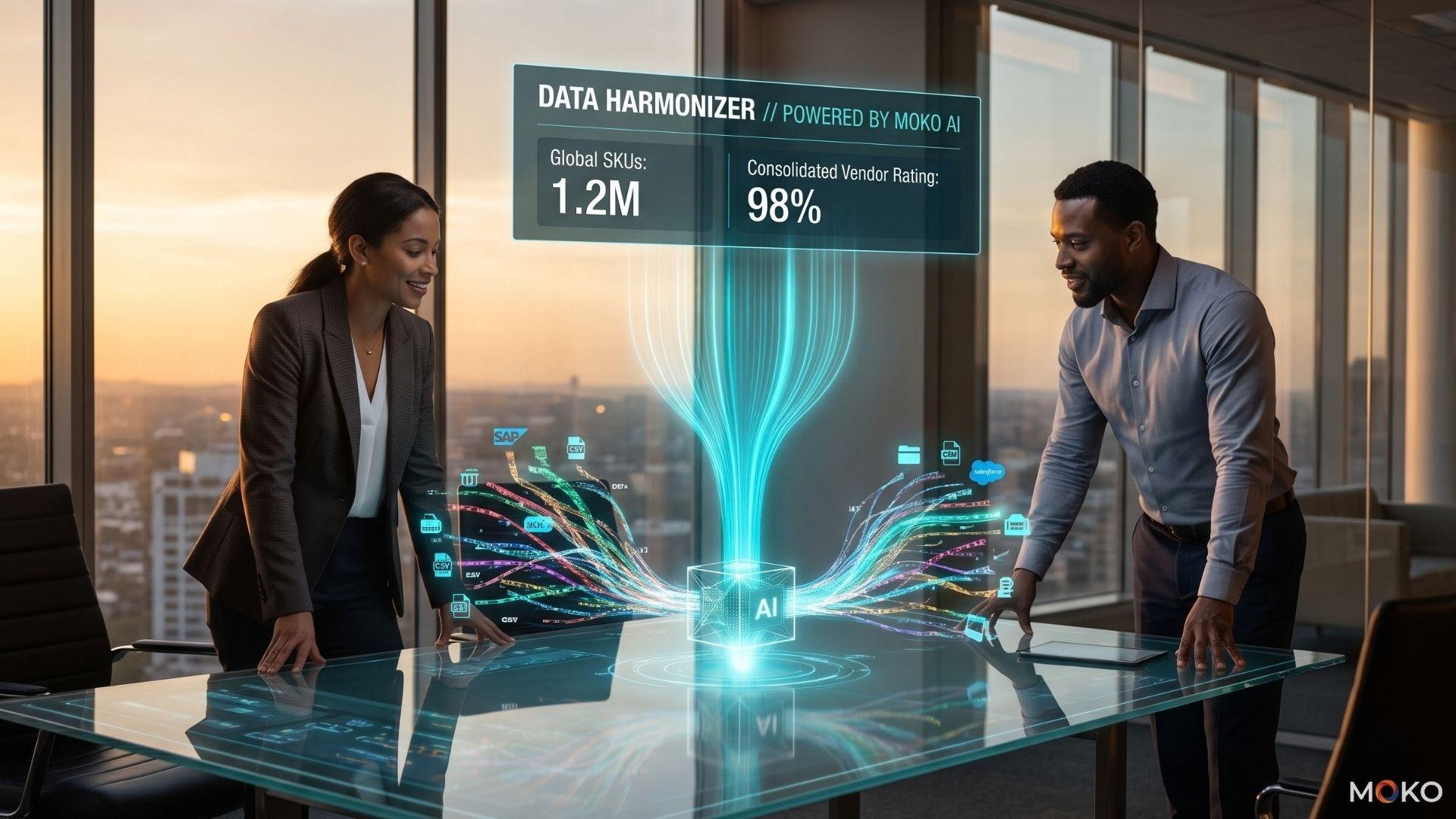
Modern buildings, such as “smart offices”, provide a good example of how digital technologies can combine to increase energy efficiency. More and more Smart energy management systems are often installed that collect data from sensors throughout the building, from lights to thermostats and occupancy sensors. This data is combined with other data from the electricity grid (collected via a smart meter), as well as data on factors such as weather conditions (collected from the cloud). Artificial intelligence algorithms process the data, and these algorithms learn over time how to optimize energy efficiency.
Because individual devices in the office are equipped with their own sensors and intelligent switches, the so-called I-BEMS (Intelligent Building Energy Management Systems) are able to adapt energy consumption to the specific needs of workers within a certain area and automatically turn off the devices when the offices are not occupied.
The I-BEMS also enables two-way communication with the grid, providing a flexible load that can be sold to the grid operator, creating an additional revenue stream for the building manager and helping to increase the penetration of variable renewables into the electricity system.
The impacts of such systems can be very significant, resulting in large savings in energy costs and revenue generation, as well as reduced greenhouse gas emissions through load shifting and improved energy efficiency.
-thumb_jpg.jpg)
-thumb_jpg.jpg)
-thumb_jpg.jpg)