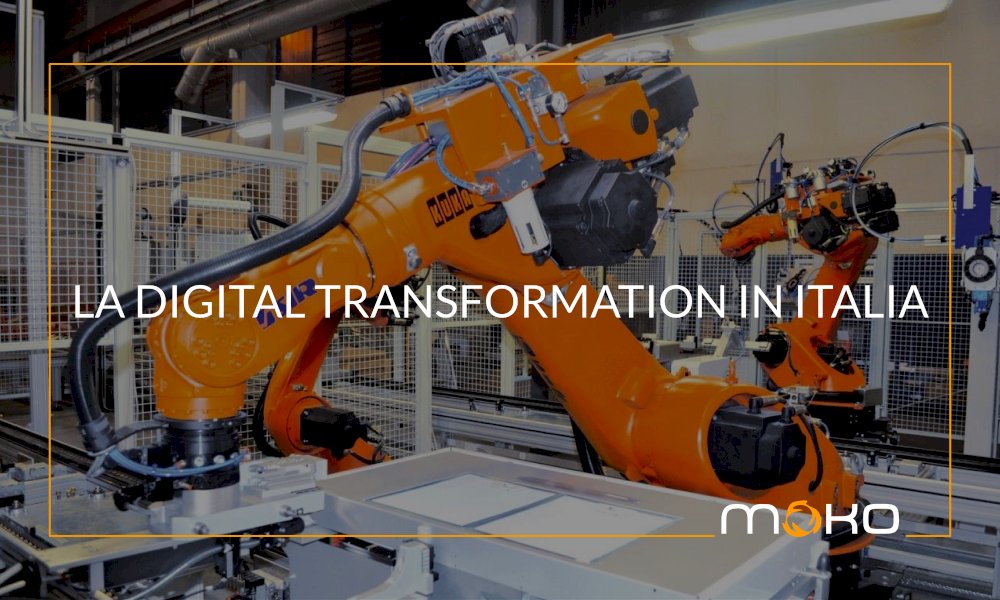
Digital Transformation in Italy.
The digital transformation of Italian companies is in progress. According to what is reported in the Digital Transformation PACT report developed by Fujitsu, 49% of companies have already achieved significant results in terms of digital transformation, while 25% are currently implementing projects. The research, conducted on a sample of 150 Italian companies representing all industrial sectors, demonstrates that large companies are also more ahead of its international colleagues, but this figure clashes with the difficulties of small and medium-sized enterprises.
A difficulty which is also reflected in the number of digital transformation projects that are interrupted. the Italian average is of 27%, which if compared with the global figure of 33% is not then like this bad. The failure of digital projects in some cases is depended on the reason why this innovation was implemented.
The president and CEO of Fujitsu Italia, Bruno Sirletti explains that this happens because “We try to insert a little’ of artificial intelligence, a little of Internet of Things, but without a real strategy. The reflection must instead start from the top: how can a company take advantage of digital to become more productive? Once you understand what is the problem, we move on to the phase we call co-creation, in which it is It is essential that people who know the internal processes of the company and people with strong digital and technological skills, often external to the company, collaborate. Only at the end do we move on to actual technology.""
The Italian industrial fabric is dominated by SMEs, which is why they should be the first to be examined. If large companies raise the perception of our country, there is an entire sector that is struggling to grow. Let's think for example of the food sector which, as Sirletti again suggests,could use technology to solve the problem of traceability.
This that hinders innovation in SMEs is the approach: we tend to give priority problem solving and not prevention. Technology is the main ally in the analysis phase and fundamental for positively influencing forecasts.
-thumb_jpg.jpg)
-thumb_jpg.jpg)
-thumb_jpg.jpg)